From Casual Drinker to Coffee Connoisseur: A Guide to Appreciating Flavor, Aroma, and Mouthfeel
2026-04-28
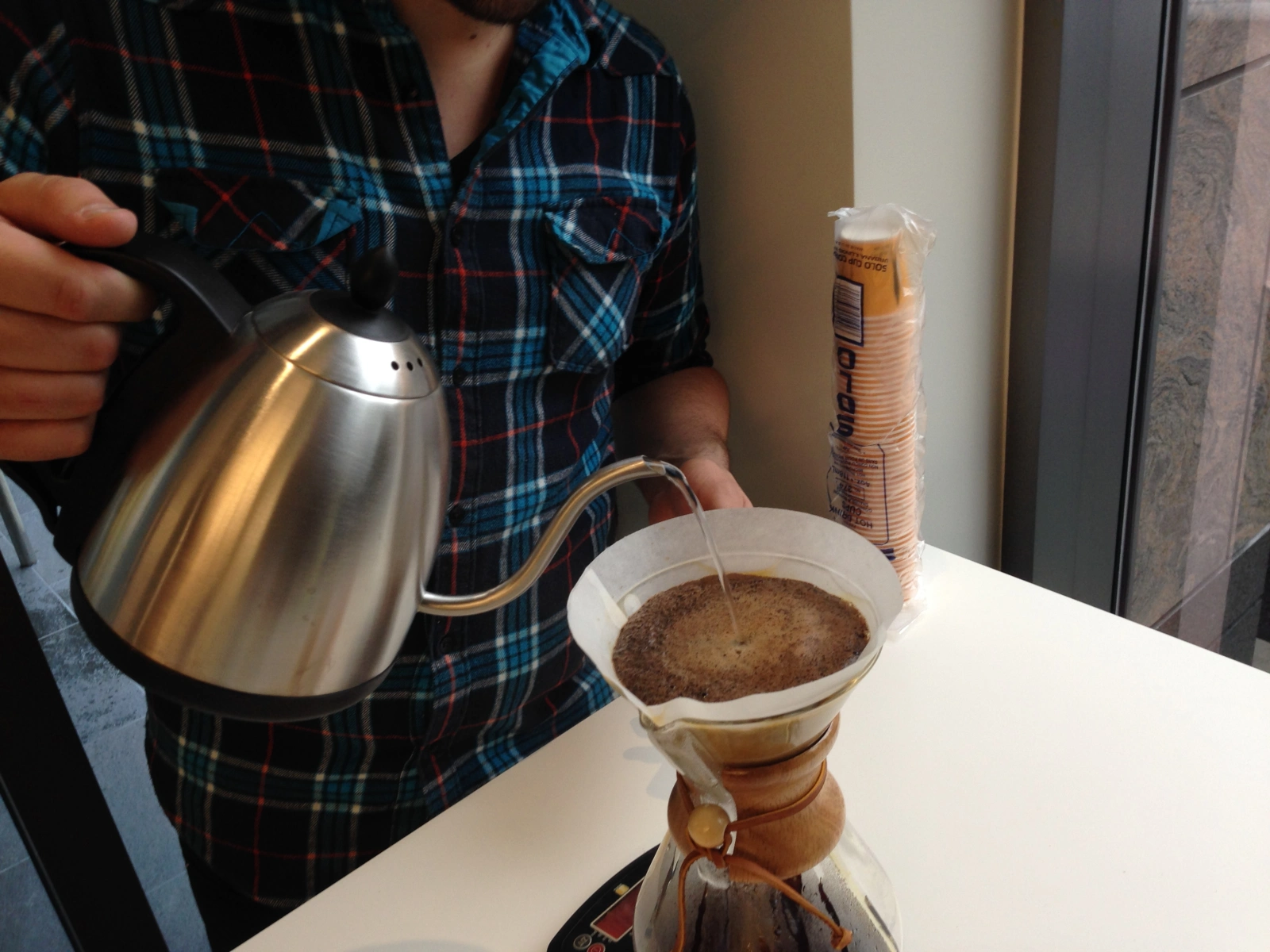
For many, a morning cup of coffee is simply a caffeine delivery system—a warm, bitter necessity to kickstart the day. However, coffee is one of the most chemically complex beverages in the world, containing over 1,000 aromatic compounds that contribute to its diverse flavor profile (Specialty Coffee Association [SCA], 2016). Transitioning from simply liking the jolt of coffee to genuinely appreciating its nuanced flavor notes, aromas, and mouthfeels requires a shift in both mindset and technique. By understanding the established language of coffee, the physical mechanics of tasting, the science of brewing, and the agricultural roots of the bean, anyone can elevate their daily cup into a refined sensory experience.
The World Coffee Lexicon and Flavor Wheel
The first step in coffee appreciation is developing a vocabulary to describe what is happening on the palate. Without the right words, a coffee might just taste "like coffee." To solve this, industry experts created the World Coffee Research Sensory Lexicon, which subsequently informed the modern Coffee Taster's Flavor Wheel (World Coffee Research, 2017).
The flavor wheel is a visual tool designed to help tasters move from broad categories to highly specific notes. When tasting a new coffee, it is best to start at the center of the wheel, which features general descriptors like "Fruity," "Nutty/Cocoa," or "Floral." As the flavors become clearer, the taster moves outward. For example, a "Fruity" note might be narrowed down to "Berry," and finally pinpointed as "Strawberry" or "Blueberry." Using the lexicon ensures that terms are grounded in objective, universally understood references rather than purely subjective memories.
The Mechanics of Tasting: Smell, Slurp, Locate
Tasting coffee is an active, intentional process that goes far beyond taking a simple sip. Professional coffee tasters, known as Q Graders, use a standardized method called "cupping" to evaluate coffee, but the underlying mechanics—smell, slurp, and locate—can be applied to a standard mug at home.
- Smell (Aroma): Much of what humans perceive as flavor is actually derived from the olfactory system. Before tasting, it is essential to inhale deeply. Assess the "dry aroma" of the ground beans, and then the "wet aroma" once water is introduced.
- Slurp (Aeration): While slurping is considered impolite at the dinner table, it is a requirement in coffee tasting. Taking a swift, loud slurp forcefully introduces oxygen into the liquid, spraying it across the entire palate. This aeration process releases volatile aromatic compounds into the retro-nasal passage, maximizing the perception of flavor (SCA, 2016).
- Locate (Mouthfeel and Finish): Once the coffee is on the palate, focus on where the flavors land and how the liquid feels. This tactile sensation is known as "mouthfeel" or body. Is it heavy and syrupy, or light and tea-like? Finally, note the finish or aftertaste—does the flavor dissipate quickly, or does a pleasant, lingering sweetness remain?
The Impact of Brew Methods
Even the highest-quality coffee beans can taste flat or overly bitter if brewed incorrectly. The brewing process is an exercise in extraction—using water as a solvent to pull flavors out of the roasted bean. Different brew methods manipulate variables like pressure, gravity, and time to highlight different aspects of the coffee's profile.
- Immersion (e.g., French Press): In immersion brewing, coffee grounds steep directly in water. Because this method often uses metal filters, more oils and insoluble particles end up in the cup, resulting in a heavier mouthfeel and robust, chocolatey notes.
- Percolation/Pour-Over (e.g., V60, Chemex): Pour-overs rely on gravity to pull water through a bed of coffee and a paper filter. Paper filters trap heavy oils, resulting in a cup with a very clean, light body. This method is highly favored for highlighting bright acidity and delicate floral or fruity notes.
- Pressure (e.g., Espresso): Espresso forces highly pressurized water through tightly packed, finely ground coffee. This creates a highly concentrated beverage with intense flavors and a thick, creamy mouthfeel.
Precise control over water temperature, grind size, and brew time is necessary across all methods to ensure the coffee is neither under-extracted (sour and thin) nor over-extracted (bitter and astringent).
Coffee Quality, Sourcing, Varietals, and Regions
The final piece of the coffee appreciation puzzle lies in understanding the agricultural origins of the bean. Coffee is a fruit, and like wine, its flavor is heavily dictated by terroir—the environmental factors, soil, and climate in which it is grown.
Most commercial coffee is a blend of beans designed for uniformity and shelf stability. In contrast, specialty coffee focuses on traceability. Knowing the specific region, altitude, and processing method provides crucial context for the flavors in the cup (Hoffmann, 2018).
- Regions: Coffee grown in Latin America is traditionally known for balanced notes of chocolate, nuts, and mild caramel. African coffees, particularly those from Ethiopia and Kenya, are famous for their bright acidity, complex fruitiness, and floral aromas. Coffees from the Asia/Pacific region often exhibit heavier bodies with earthy, spicy, or herbal characteristics.
- Varietals and Processing: Just as there are different types of apples, there are different botanical varietals of the Coffea arabica plant (such as Bourbon, Typica, or Gesha), each with inherent flavor traits. Furthermore, how the coffee cherry is processed after harvesting—whether the fruit is washed off immediately (producing a clean, bright flavor) or left to dry naturally on the bean (producing a heavy, wine-like fruitiness)—drastically alters the final taste.
By combining a working knowledge of origins with the proper tasting techniques and brewing methods, the act of drinking coffee transforms from a mundane routine into a daily exploration of craft and agriculture.
References
Hoffmann, J. (2018). The world atlas of coffee: From beans to brewing - coffees explored, explained and enjoyed (2nd ed.). Mitchell Beazley.
← All posts